
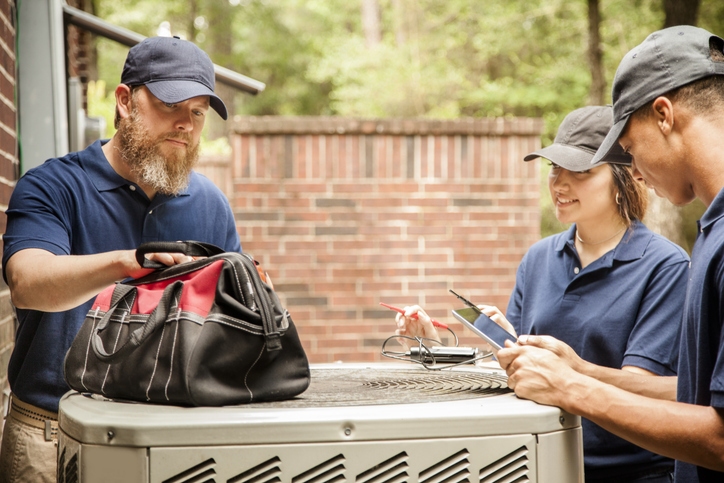

San Antonio is renowned for its sizzling summers, with temperatures that often soar well into the 90s and beyond. In this kind of relentless heat, your air conditioner is more than just a convenience, it’s a necessity for comfort and safety. But it’s also the season when AC systems are pushed to their limits, making breakdowns more likely and repairs more urgent. Below, we’ll explore the most common air conditioning problems San Antonio homeowners face during the summer, how to recognize them, and what you can do to keep your cool.
Why Summer Puts Extra Stress on AC Systems
During San Antonio summers, AC units run almost non-stop, battling extreme outdoor temperatures and high humidity. This constant demand wears down components more quickly, increases energy use, and exposes any system weaknesses. When combined with factors like dust, pollen, and power fluctuations from stormy weather, it’s no wonder AC issues spike when you need cooling the most.
1. Insufficient Cooling or Warm Air Blowing
The Problem
One of the most frequent complaints is that the AC is just not keeping the home cool, or blows warm air instead of cold.
Possible Causes
- Low refrigerant (often due to a leak)
- Dirty evaporator or condenser coils
- Malfunctioning compressor
- Thermostat problems
Solution
Check your thermostat settings and replace the air filter. If these are fine and your AC still isn’t cooling, you likely need professional repair. Refrigerant leaks and compressor issues require immediate attention.
2. Weak or Limited Airflow
The Problem
You notice very little air is coming from the vents, making it hard to achieve consistent cooling throughout your home.
Possible Causes
- Dirty or clogged air filters (very common in dusty San Antonio summers)
- Blocked or leaky ductwork
- Malfunctioning blower motor or fans
Solution
Replace or clean filters monthly during peak use. If airflow remains poor, have ducts inspected and your AC’s blower components checked by a technician.
3. Frequent Cycling or Constant Running
The Problem
Your AC seems to turn on and off much more frequently than normal (short cycling) or runs almost non-stop.
Possible Causes
- Incorrect system sizing for your home
- Thermostat or sensor issues
- Dirty condenser or evaporator coils
- Low refrigerant
Solution
A well-maintained AC should cycle steadily. If it’s cycling frequently or never seems to turn off, schedule a service call. Short cycling wears out the system and wastes energy.
4. AC Leaking Water or Forming Ice
The Problem
You find water pooling near the indoor unit, or notice ice on the coils or refrigerant lines.
Possible Causes
- Clogged or disconnected condensate drain line (very common in humid San Antonio)
- Frozen evaporator coil (can be caused by dirty filters, low refrigerant, or airflow issues)
- Drain pan problems
Solution
Turn off your AC and let the ice melt before restarting. Check your filter, and if leaking persists, have a pro clear the condensate line and inspect for other issues.
5. Unusual or Loud Noises
The Problem
Rattling, buzzing, grinding, squealing, or banging noises coming from your AC are red flags.
Possible Causes
- Loose or broken components
- Fan motor or compressor issues
- Debris stuck in fan blades
Solution
Don’t ignore strange noises—running the system in this state can lead to major repairs. Call a technician to diagnose and fix the issue before it worsens.
6. Bad Smells Coming from Vents
The Problem
Musty, moldy, burning, or foul odors coming from your air vents.
Possible Causes
- Mold or mildew inside the ducts or on evaporator coils
- Electrical issues causing overheating
- Clogged drains or pest problems
Solution
Mold growth is common in humid San Antonio months, and can affect your health. A professional cleaning and inspection is recommended.
7. Higher Than Usual Energy Bills
The Problem
You notice a sudden or steady increase in your electricity bill even though your usage hasn’t changed.
Possible Causes
- Reduced system efficiency from dirty coils or filters
- Refrigerant leaks
- Failing motors or compressor
Solution
Schedule seasonal maintenance to keep your system efficient. An HVAC pro in San Antonio can tune up your unit and point out ways to save energy.
8. Thermostat Malfunctions
The Problem
Your home never feels as cool as the thermostat setting, the display is blank, or it doesn’t respond to changes.
Possible Causes
- Dead batteries or faulty wiring
- Old or outdated thermostat
- Sensor misplacement
Solution
Change the batteries and check for physical damage. Consider upgrading to a smart thermostat for better accuracy and efficiency.
9. Electrical Problems and Power Surges
The Problem
The AC won’t start, frequently trips the breaker, or you experience power losses during storms.
Possible Causes
- Faulty wiring or worn capacitors
- Overloaded circuits (common during summer with high AC demand)
- Lightning or power surges
Solution
Never try to fix electrical issues yourself. Call a licensed HVAC tech or electrician for diagnosis and repair.
Preventative Tips for a Trouble-Free Summer
- Change your filters monthly (especially during peak pollen and dust seasons).
- Schedule annual AC maintenance before summer starts.
- Keep outdoor units clean and clear of debris, leaves, and branches.
- Upgrade your thermostat to a programmable or smart model.
- Listen for odd noises and call for service if you notice anything unusual.
Why Summer AC Issues Are So Prevalent in San Antonio
- Extreme heat makes systems run longer and harder.
- High humidity increases wear on condensate systems and encourages mold/mildew growth.
- Dust and pollen clog filters rapidly.
- Older homes may have outdated or undersized systems.
When to Call a Professional
If your AC stops working, starts making strange noises, leaks water, or your home simply won’t stay cool, it’s time to call a licensed HVAC technician. Prompt repairs keep small problems from turning into expensive emergencies and help your system last longer in San Antonio’s tough climate.
Final Thoughts
Summer in San Antonio is demanding for both people and their air conditioners. By understanding these common AC problems and acting fast, you’ll avoid sweltering days, save energy, and extend the life of your system. Remember, preventative maintenance is the single best way to ensure a cool, comfortable summer for years to come.
Frequently Asked Questions: Summer AC Problems in San Antonio
1. Why is my AC running but not cooling the house?
If your AC is running but the air feels warm or not cool enough, it could be caused by low refrigerant levels, a dirty evaporator coil, or issues with the compressor. Make sure your thermostat is set correctly and change your air filter. If the problem persists, call a professional.
2. What causes my AC to leak water inside the house?
The most common reasons are a clogged condensate drain line, frozen evaporator coils, or a damaged drain pan. San Antonio’s high humidity makes this issue more common in summer. If you notice water, shut off the system and schedule a repair to prevent water damage.
3. Why does my AC keep shutting off and on (short cycling)?
Short cycling can be caused by a malfunctioning thermostat, clogged filters, low refrigerant, or an improperly sized unit. This issue increases energy bills and reduces comfort. A licensed HVAC technician can diagnose and resolve the cause.
4. What’s the burning smell coming from my vents when the AC is on?
A burning or electrical smell can be caused by overheating electrical parts, dust buildup on components, or even a failing fan motor. Turn the unit off immediately and call an HVAC pro to avoid damage or fire risk.
Frequently Asked Questions: Summer AC Problems in San Antonio
If your AC is running but the air feels warm or not cool enough, it could be caused by low refrigerant levels, a dirty evaporator coil, or issues with the compressor. Make sure your thermostat is set correctly and change your air filter. If the problem persists, call a professional.
The most common reasons are a clogged condensate drain line, frozen evaporator coils, or a damaged drain pan. San Antonio’s high humidity makes this issue more common in summer. If you notice water, shut off the system and schedule a repair to prevent water damage.
Short cycling can be caused by a malfunctioning thermostat, clogged filters, low refrigerant, or an improperly sized unit. This issue increases energy bills and reduces comfort. A licensed HVAC technician can diagnose and resolve the cause.
A burning or electrical smell can be caused by overheating electrical parts, dust buildup on components, or even a failing fan motor. Turn the unit off immediately and call an HVAC pro to avoid damage or fire risk.